Two stories set in different eras, asking the same question: what do we lose when we let assumption stand in for understanding — and what becomes possible when someone chooses to look closer?
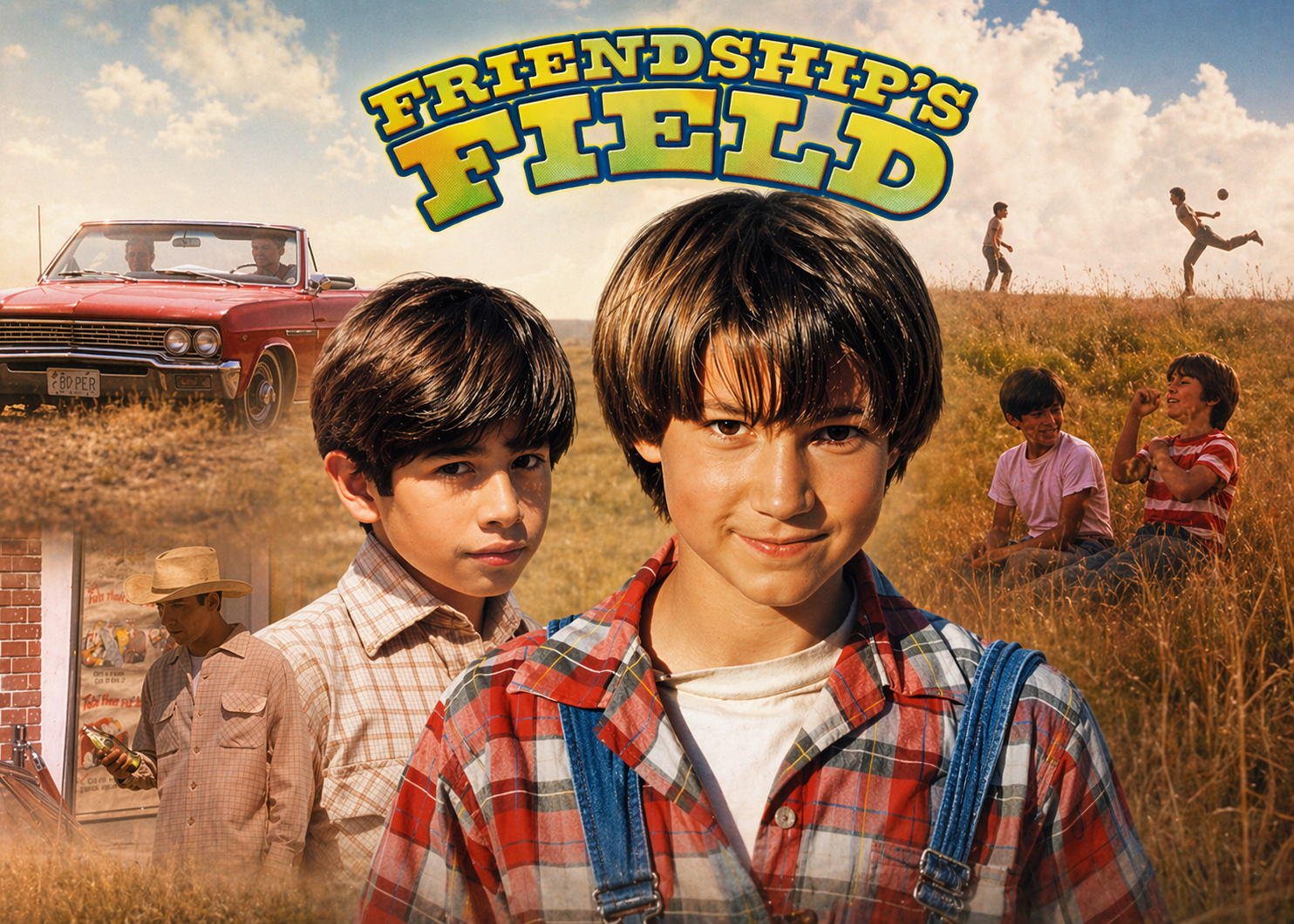
When migrant workers arrive to help with the harvest, a farm family's assumptions are quietly challenged. A story about what we think we know — and what we discover when we're willing to look past it.
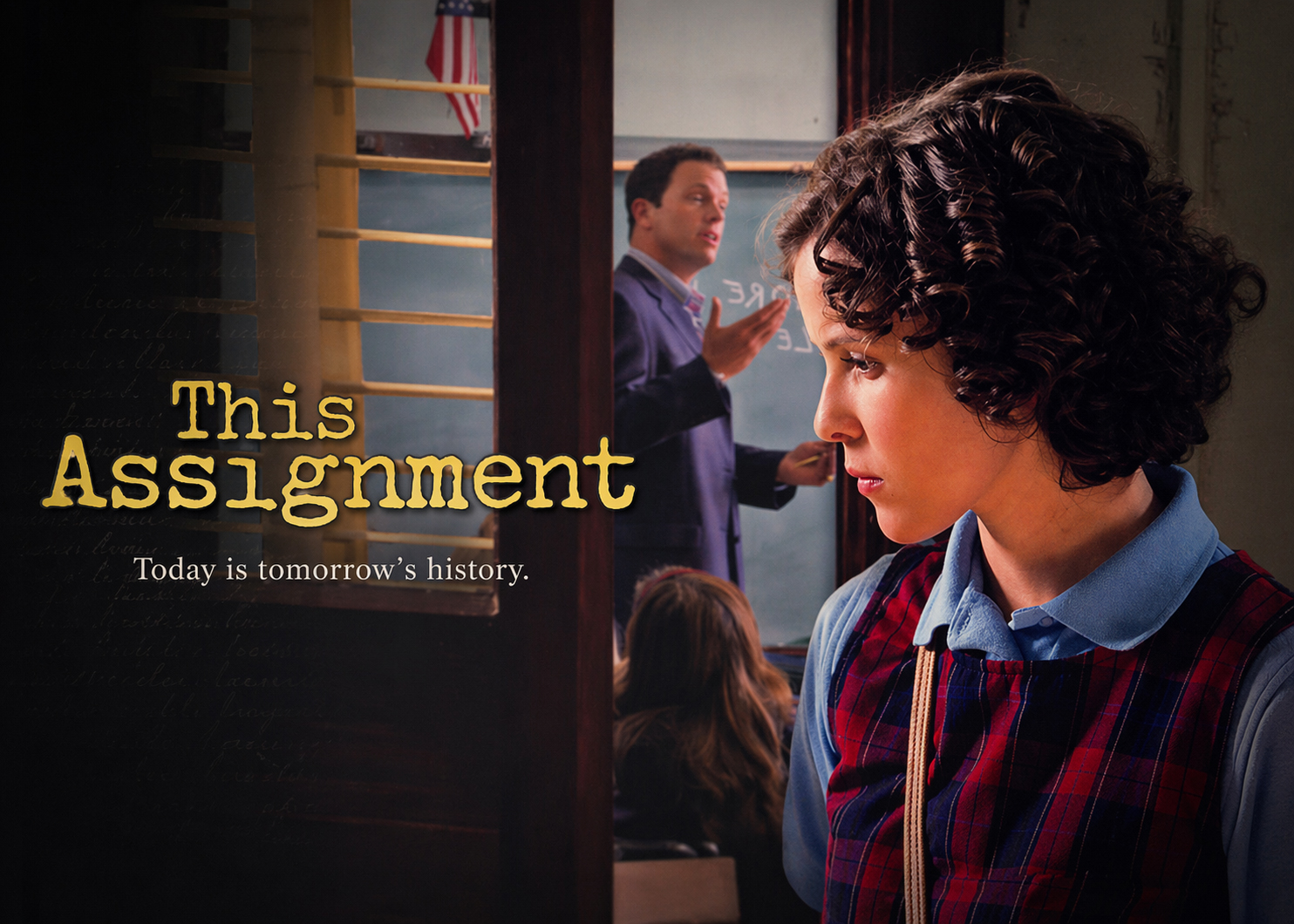
At a boarding school built on privilege and power, a new history teacher arrives and starts seeing students the system has already written off. A story about what it means to be truly seen — and what it costs to tell the truth.
Two stories about love that has gone quiet — one through grief, one through distance — and what it takes to find your way back to each other.
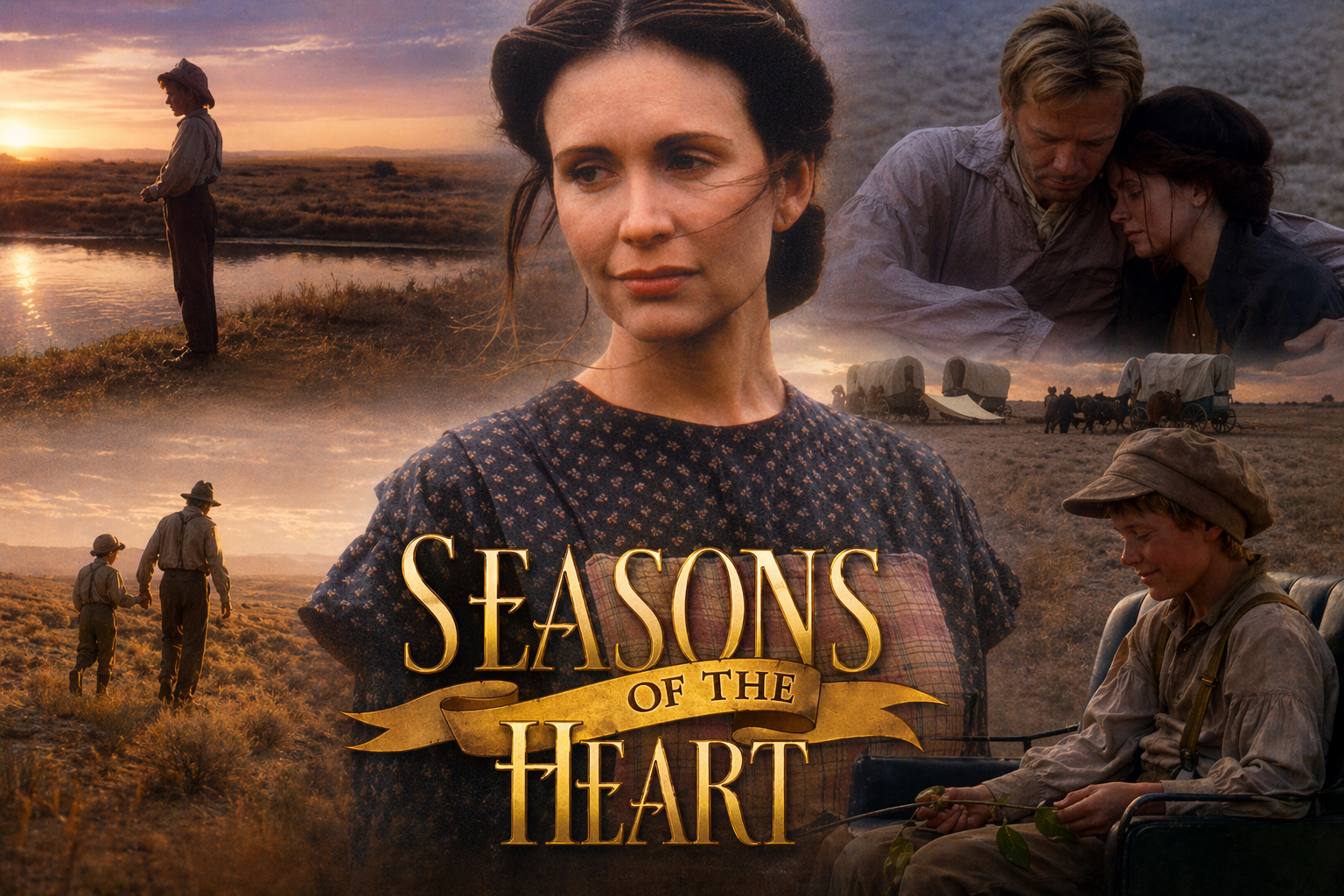
After losing her two daughters, a pioneer woman has gone cold inside — until an orphan boy arrives and slowly begins to thaw what grief has frozen. A story about whether the heart can grow again after it has been buried.
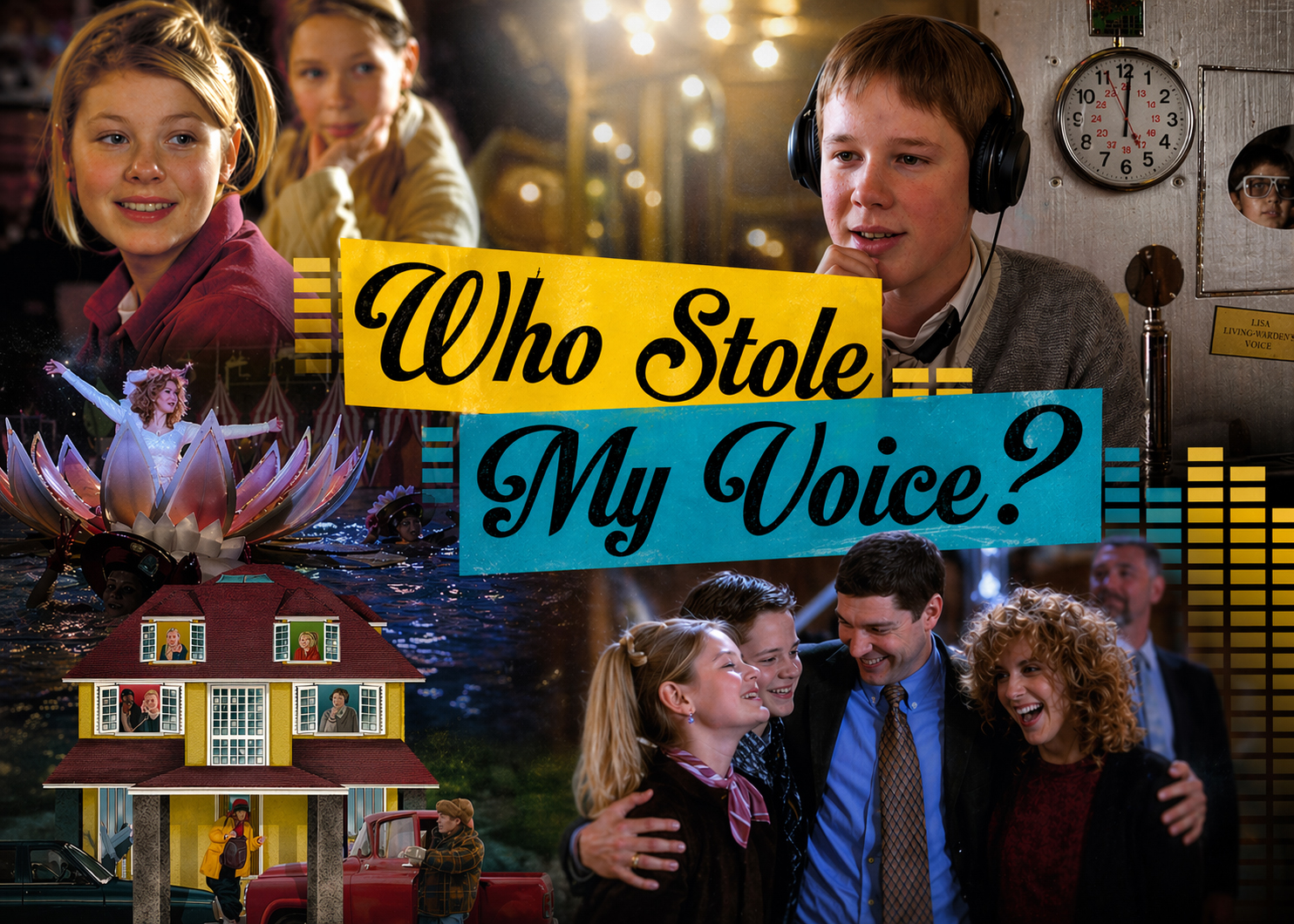
Emily's parents have stopped really talking to each other — and she's the only one who seems to notice. A story about what happens to a family when communication breaks down, and what one person's courage to speak up can set in motion.
What Every Summit Film
Has in Common
Across both threads, these four stories ask children to sit with complexity — not to find easy answers, but to practice the kind of thinking that shapes who they become.
-
1
Moral Complexity
No villains, no easy resolutions. Characters are flawed, situations are hard, and growth is slow — just like real life.
-
2
The Cost of Courage
Every protagonist in these films pays something to do the right thing — and that price is worth examining together.
-
3
Seeing Takes Practice
Whether it's seeing past prejudice or seeing a struggling marriage, these stories ask: what are we missing when we stop looking?